Imago Dei and the Algorithmic Society: A Conference on Christianity and Artificial Intelligence
A Conference on Christianity and Artificial Intelligence
.jpeg)

Speaker
Speakers (A-Z):
Keynote Speakers:
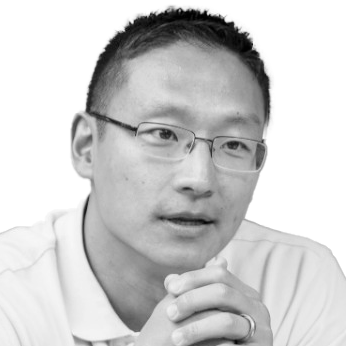
Dr. John Kim is a Strategic Advisor to Wise Rock, a provider of intelligence amplification software, and a Managing Member of Karamaan Group, an investing firm that takes passive and active interests in both public and private companies. He is the Co-Founder of Board Room Ventures, a consulting agency and non-fungible-token (NFT) fund that partners with brands to strategize, build community and create impactful moments in web3. Previously, he was a partner at MSD Capital. Dr. Kim received a Ph.D. in Economics from MIT and an A.B.in Economics from Harvard. He resides with his family at Coram Deo: A House of Worship, Prayer, and Entrepreneurship located in midtown Manhattan. He is part of a monastic community called the Order of the Common Life, and he serves on the board of Vineyard USA.
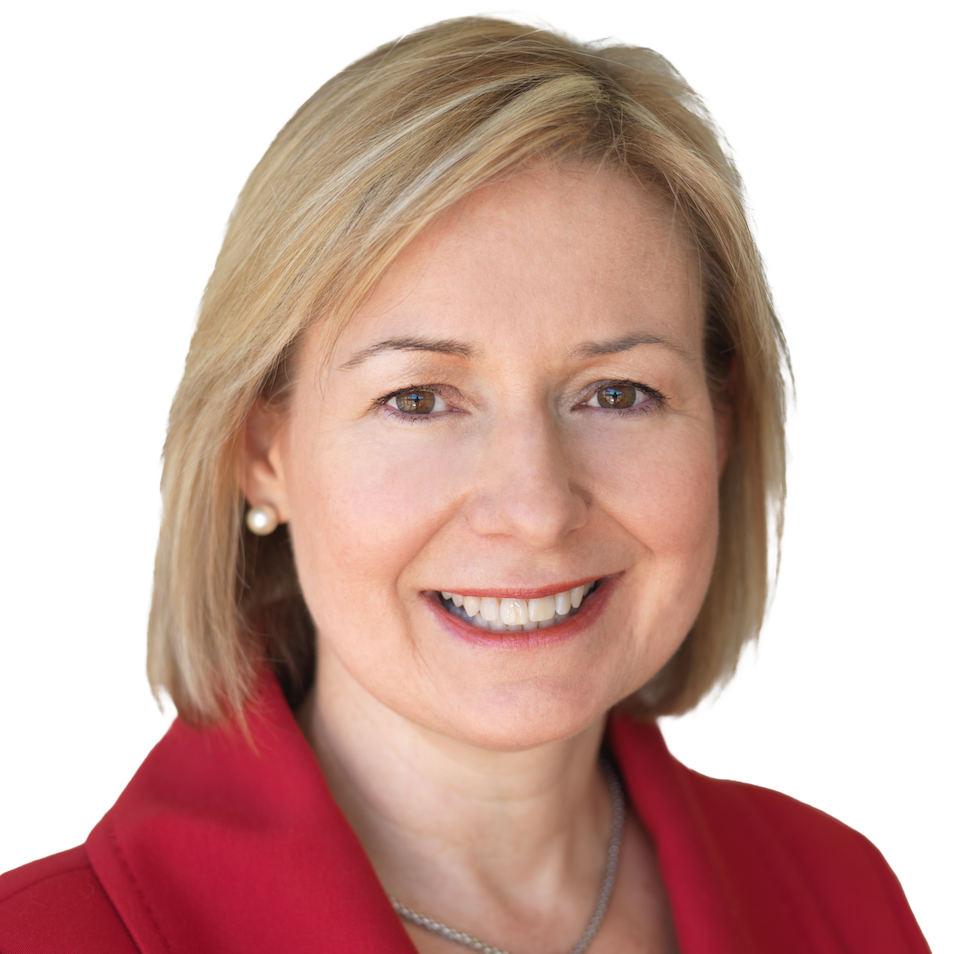
Rosalind (“Roz”) Picard is an engineer, scientist, inventor, and pioneer in the field of affective computing, and the Grover M. Hermann Professor of Health Sciences and Technology at the Massachusetts Institute of Technology (MIT). She is the founder and director of the Affective Computing Research Group at the MIT Media Lab, where she teaches, mentors students, and continues to shape the future of human-centered artificial intelligence. Professor Picard’s work has advanced technologies that can sense, recognize, and respond to human emotions, enabling more natural interactions between people and machines. She co-founded two technology companies, Affectiva (acquired by Smart Eye) and Empatica, both of which translate her discoveries into practical tools, such as wearable devices that detect stress, seizures, and other physiological signals. In addition to her scientific work, Dr. Picard changed her beliefs from Atheism to Christianity and speaks frequently about the integration of faith and science. She received her bachelor’s degree in electrical engineering from the Georgia Institute of Technology and her master’s and doctorate in electrical engineering and computer science from MIT. Early in her career, Professor Picard made significant contributions to digital image processing and pattern recognition, authoring the influential book Affective Computing (MIT Press, 1997), which laid the foundation for a new field of research. She has received numerous honors, including election to the National Academy of Engineering.
Other Speakers:

Rev. Dr. Simon Cross works on AI for the Bishop of Oxford and the parliamentary unit of the Church of England’s Faith in Public Life unit. His role encompasses the policy, regulatory, theological, ethical, and contextual aspects of AI. He briefs and advises twenty-six Anglican bishops in the House of Lords on international governance and UK-specific digital policy and legislation. He lectures and presents across the UK on the practical and theological aspects of AI and represents the Church of England among an active consortium of UK civil society organizations researching, advocating, and lobbying for good digital regulation and the common good. His perspective on AI draws heavily from an undergraduate degree in theology; a master’s degree in science and theology at Durham University that explored the theological strengths and weaknesses of Einstein’s aphorism “God does not play dice with the universe”; and a D.Phil. from Oxford exploring the theological metaphysics of scientific perspectives on divine action. A former airline pilot, he has practical experience of the ways in which automation can identically augment or undermine human agency and believes AI’s most pressing questions all cluster at the intersection between science, philosophy, theology, and practice.
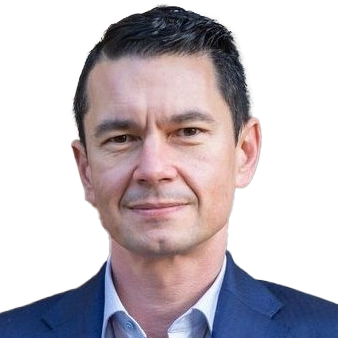
The Rev’d. Dr. Lyndon Drake is a Research Fellow at the University of Oxford, following on from a D.Phil. in Theology from Oxford (2023)on economics and writing in the Hebrew Bible/Old Testament, and a Ph.D. in Artificial Intelligence from York (2005). At Oxford, he helps lead the Oxford Collaboration on Theology and Artificial Intelligence. Until 2024, he served as the Māori Anglican Archdeacon of Tāmaki Makaurau in Aotearoa/New Zealand. Dr. Drake also has degrees in science and commerce (Auckland) and two previous degrees in theology (Oxford), along with peer-reviewed publications in science and theology. Until 2010, Lyndon was a Vice President at Barclays Capital, trading interest-rate products. Since then, he has served in church ministry, as well as teaching theology and holding other leadership roles, including as chair of Te re Ruruhau o Meri Trust Board (a charity working to reduce family harm and sexual violence).

Sara Lumbreras is a Professor at the ICAI School of Engineering of the Universidad Pontificia Comillas, where she graduated in 2006as the Graduation Prize Winner. She is currently Deputy Director of Research Results at the Technological Research Institute and manages the Chair of Science, Technology and Religion together with Jaime Tatay. She is the author of more than seventy academic publications and has directed or participated in more than twenty projects with private companies and public institutions. Her research focuses on the development and application of decision support techniques to complex problems. She works with classical mathematical optimization techniques, heuristics and Artificial Intelligence. In addition, she researches philosophy of technology, specifically the implications of artificial intelligence in anthropology and the Ethics of AI. She has experience in decision problems in the energy sector, healthcare and finance. She also has five years of experience in the private sector (JPMorgan London). She is a Global Shaper of the World Economic Forum and a Marshall Memorial Fellow.
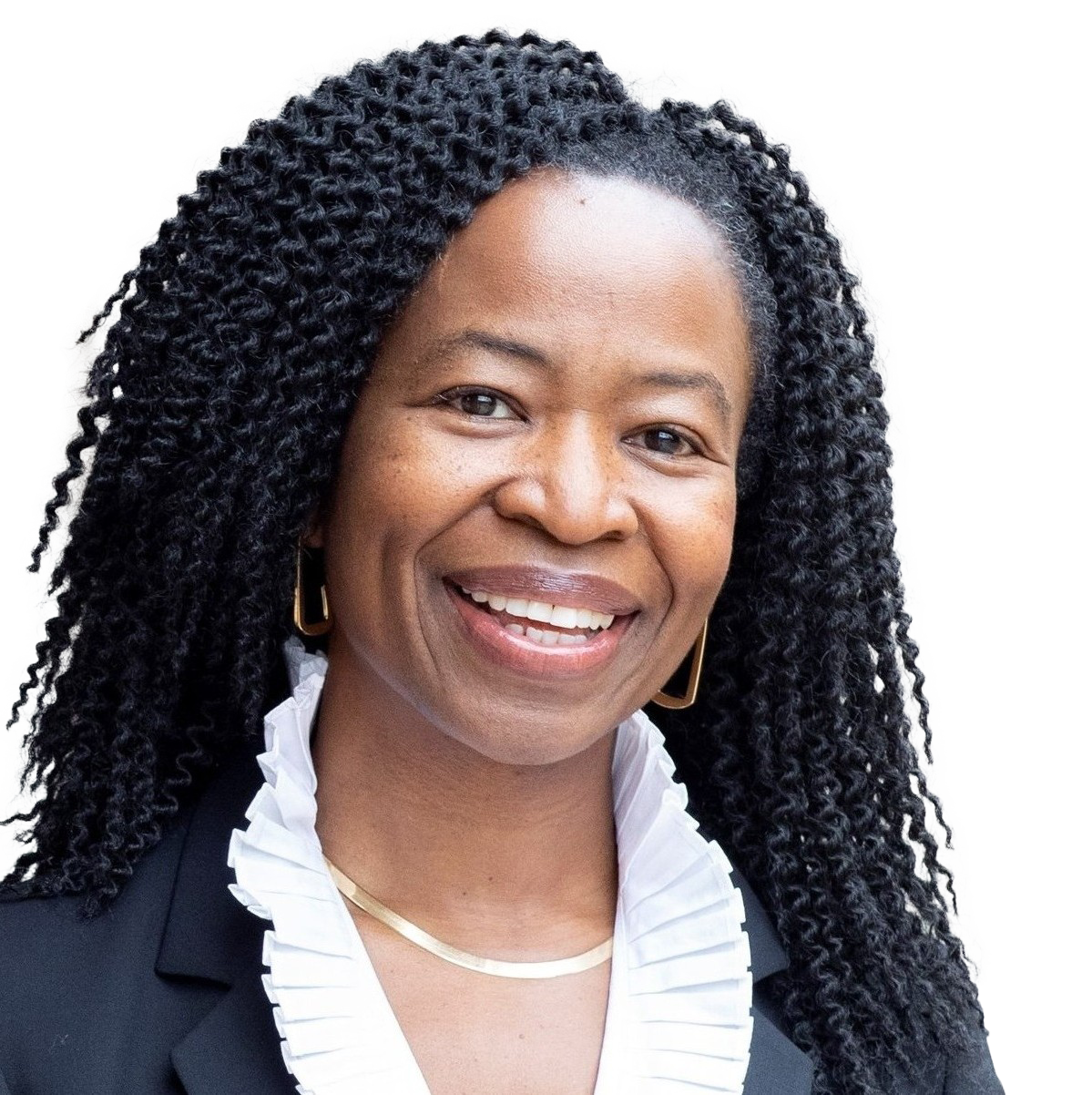
Ruth Okediji is the Jeremiah Smith, Jr., Professor of Law at Harvard Law School (HLS), Co-Director of the Berkman Klein Center for Internet& Society, Faculty Director of the HLS Program on Biblical Law and Christian Legal Studies, and Faculty Co-Director of the Christianity & the Common Good Initiative at Harvard University. Professor Okediji teaches Contracts, International Intellectual Property (IP), Patents, Copyright, courses on Biblical Law, and courses on Artificial Intelligence. Her research and scholarship examine innovation policy, the digital economy, and global knowledge governance. She has authored an extensive array of publications on the relationship between IP protection, innovation policy, and human flourishing and has served as a policy advisor to inter-governmental organizations and national governments on a variety of issues at the intersection of IP, international economic law, and human development, as well as on the formulation of IP, trade, and competition policies for the digital era. She is widely cited for her scholarship on the design and implementation of IP norms in developing and least-developed countries consistent with human welfare goals, as well as her leading work on legal regimes for the protection of genetic resources, traditional knowledge, and traditional cultural expressions of Indigenous Peoples and Local Communities. She is a graduate of the University of Jos and Harvard Law School.

Tom Simpson is the Alfred Landecker Professor of Values and Public Policy at the Blavatnik School of Government, University of Oxford, and a Professorial Fellow at Wolfson College. His research focuses on a variety of foundational issues in moral and political philosophy—especially on the nature of freedom, and on trust, notably in his Trust: A Philosophical Study (Oxford University Press, 2023)—as well as applied questions, especially on issues around technology and security. He has given evidence to numerous Parliamentary committees, and his influential co-authored report Academic freedom in the UK: Protecting viewpoint diversity (Policy Exchange 2020) was described by the Times Higher Education as “the source for the key proposals” now enacted by the UK’s Higher Education (Freedom of Speech) Act 2023. A former soldier with the UK’s Royal Marines Commandos, he served in Iraq, Afghanistan, and Northern Ireland, and now directs the Military Leadership and Program at the Blavatnik School; and he is the Senior Academic Advisor at the Lanier Theological Library, Yarnton Manor.
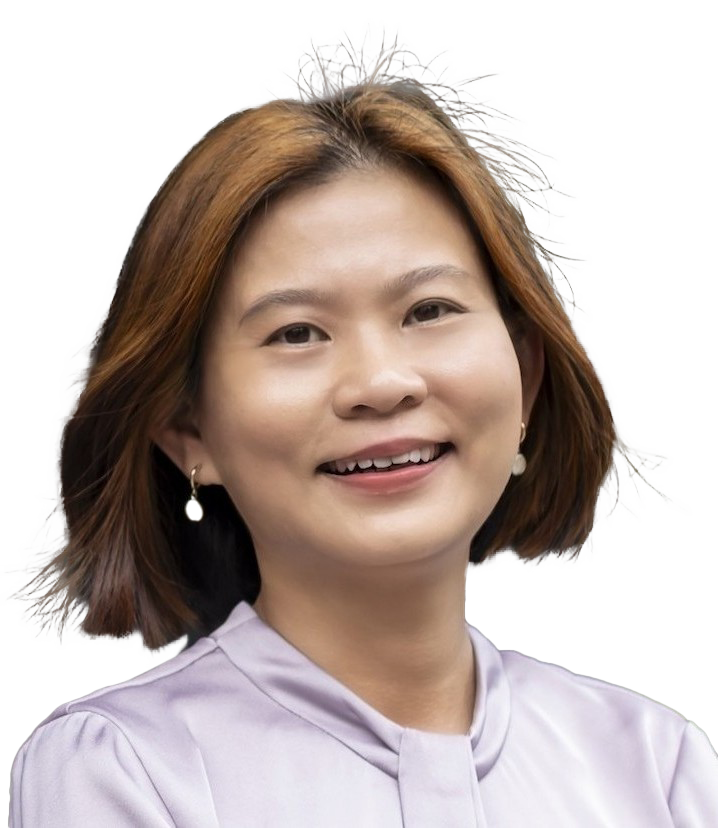
Seow Hon Tan is an Associate Professor of Law at the Yong Pung How School of Law, Singapore Management University, where she teaches Jurisprudence as a core module and as an elective. She was previously a Gammon Fellow as well as a Byse Fellow at Harvard Law School where she worked on, amongst others, ideas of love and friendship in the Western Christian tradition. At Harvard, she wrote a doctoral dissertation on friendship, which has been published as Justice as Friendship: A Theory of Law (2015). Her research interests include the relation between success and human flourishing, the ethos of the legal profession, the impact of legal education on the professional identity of the lawyer, application of legal theory to current issues such as surrogacy, abortion and euthanasia, and the validity and effect of intolerably unjust laws. She is a winner of multiple teaching awards at the school and university levels. She has taught on topics that involve the intersection of law, philosophy, and faith. She has also been regularly invited to preach and speak at churches.
Dr. Jonathan Teubner is a Research Associate at the Harvard Human Flourishing Program, where he leads the AI and Flourishing Initiative. He has published broadly in the field of history of philosophy, theology, and cultural sociology, and is the author of Charity after Augustine: Solidarity, Conflict, and the Practices of Charity (Oxford University Press, 2024) and Prayer after Augustine: A Study in the Development of the Latin Tradition (Oxford University Press, 2018), the latter of which won the Manfred Lautenschlaeger Award for Theological Promise in 2019. Along with Sarah Coakley and Richard Cross, Teubner is the co-editor of the Oxford Handbook to the Historical Reception of Theology(Oxford University Press, forthcoming 2025). Teubner has held faculty positions at the Australian Catholic University and at the University of Virginia, where he led a collaborative team of data scientists and scholars across the social sciences to create AI tools to predict political and social violence. Dr. Teubner's insights and analysis have appeared in The New York Times, The Economist, and The Hill, he is regularly interviewed by BBC, CNN, Scripps News and NBC Nightly News, and is a contributing editor at The Hedgehog Review. In 2022, he co-founded Filter Labs, a data analytics company that leverages artificial intelligence to source high-quality localized data in hard-to-reach regions of the world.

Li-ann Thio is Provost Chair Professor at the National University of Singapore Faculty of Law and holds a B.A. (Hons) (Jurisprudence)from Oxford University, an LL.M. from Harvard Law School and a Ph.D. from Cambridge University. She is a Barrister (Gray’s Inn, UK) and was a Nominated Member of the Singapore Parliament (2007-2009), a Senior Advisor to the Ministry of Foreign Affairs (2011-2017) and a consultant Expert to the Ad Hoc Committee on the Elaboration of Complementary Standards (Convention for the Elimination of All Forms of Racial Discrimination) (2023-2025). She teaches and researches constitutional law, law and religion, Christianity and law, administrative law, human rights law (with a focus on Asia) and public international law. She Co-Series Editor of the Hart Constitutionalism in Asia series and was Chief Editor of the Singapore Journal of Legal Studies, Singapore Journal of International & Comparative Law and General Editor of the Asian Yearbook of International Law. Her publications include The Rule of Law in Singapore: Legal Communitarianism, Paternal Democracy and the Developmentalist State (Hart, 2025), Religious Offences in Common Law Asia: Colonial Legacies, Constitutional Rights and Contemporary Practices, Thio & J Neo eds., (Hart, 2021); A Treatise on Singapore Constitutional Law (Academy Publishing, 2012) and Managing Babel: The International Legal Protection of Minorities in the Twentieth Century (Brill, 2005).
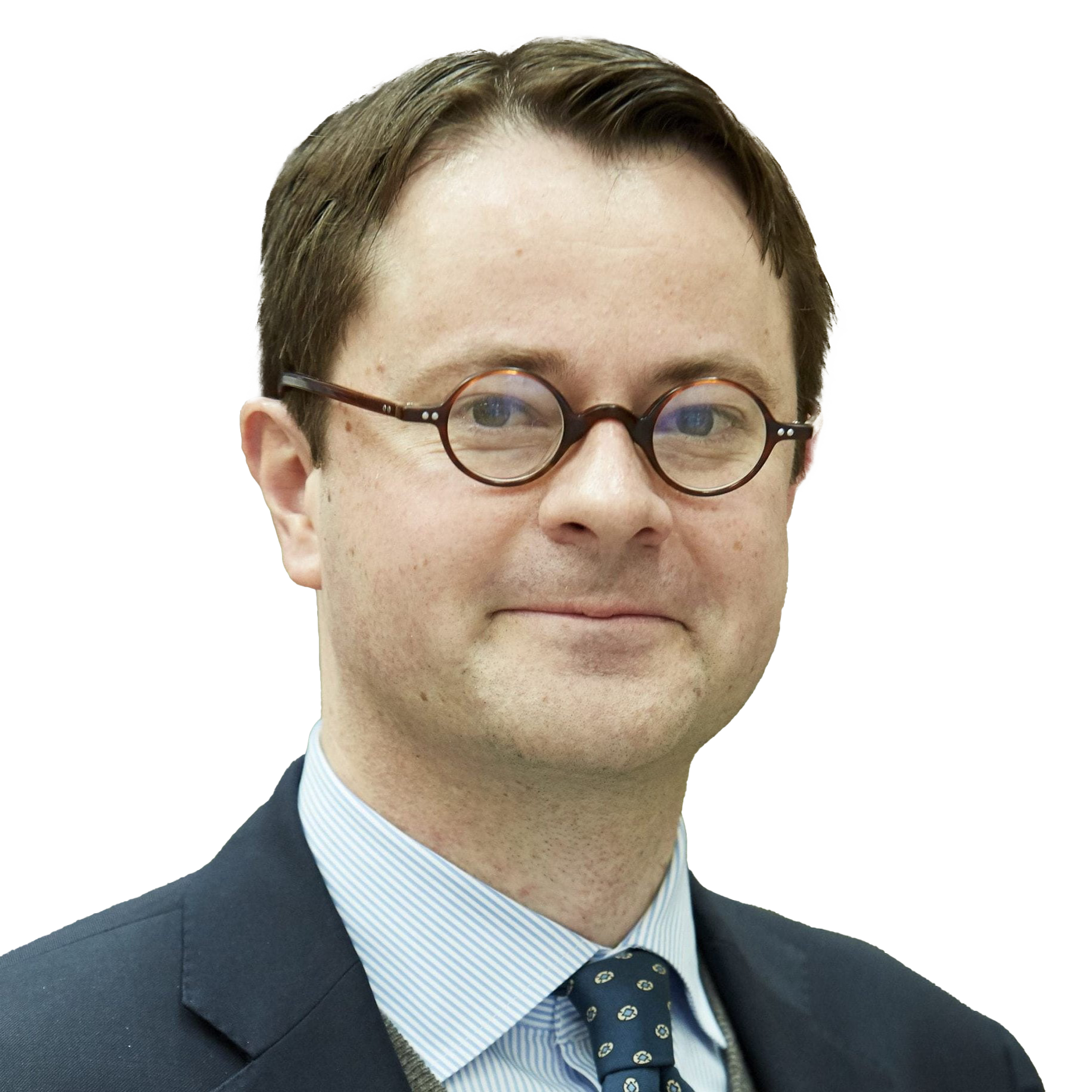
Tyler VanderWeele is the John L. Loeb and Frances Lehman Loeb Professor of Epidemiology in the Departments of Epidemiology and Biostatistics at the Harvard T.H. Chan School of Public Health, and Director of the Human Flourishing Program and Co-Director of the Initiative on Health, Spirituality, and Religion at Harvard University. He holds degrees from the University of Oxford, University of Pennsylvania, and Harvard University in mathematics, philosophy, theology, finance, and biostatistics. His methodological research is focused on theory and methods for distinguishing between association and causation in the biomedical and social sciences and, more recently, on psychosocial measurement theory. His empirical research spans psychiatric and social epidemiology; the science of happiness and flourishing; and the study of religion and health. He is the recipient of the 2017 Presidents’ Award from the Committee of Presidents of Statistical Societies (COPSS).Dr. VanderWeele has published over 500 papers in peer-reviewed journals; is author of the books Explanation in Causal Inference (2015), Modern Epidemiology (2021), Measuring Well-Being (2021), Handbook of Religion and Health (2023), and A Theology of Health (2024);and writes a monthly blog posting on topics related to human flourishing for Psychology Today.
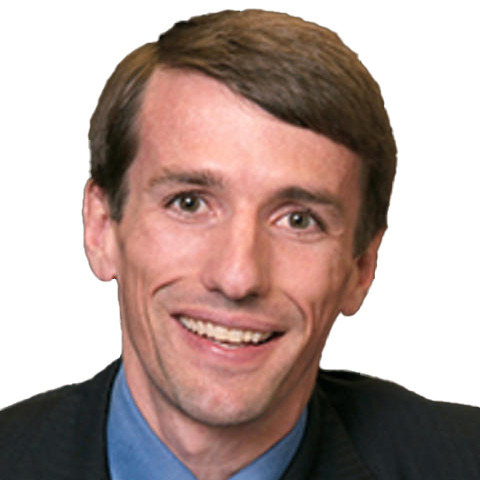
Martin West is the Academic Dean and Henry Lee Shattuck Professor of Education at the Harvard Graduate School of Education and a Faculty Research Fellow at the National Bureau of Economic Research. He is also Editor-in-Chief of Education Next, a journal of research and opinion on education policy, and Deputy Director of the Program on Education Policy and Governance at the Harvard Kennedy School. West is currently a member of the Massachusetts Board of Elementary and Secondary Education and of the National Assessment Governing Board. His research focuses on the politics of K-12 education in the United States and how education policies affect student learning and non-cognitive development. In 2013-14, West worked as Senior Education Policy Advisor to the ranking member of the U.S. Senate Committee on Health, Education, Labor, and Pensions. He previously taught at Brown University and was a Research Fellow at the Brookings Institution, where he is now a Nonresident Senior Fellow.
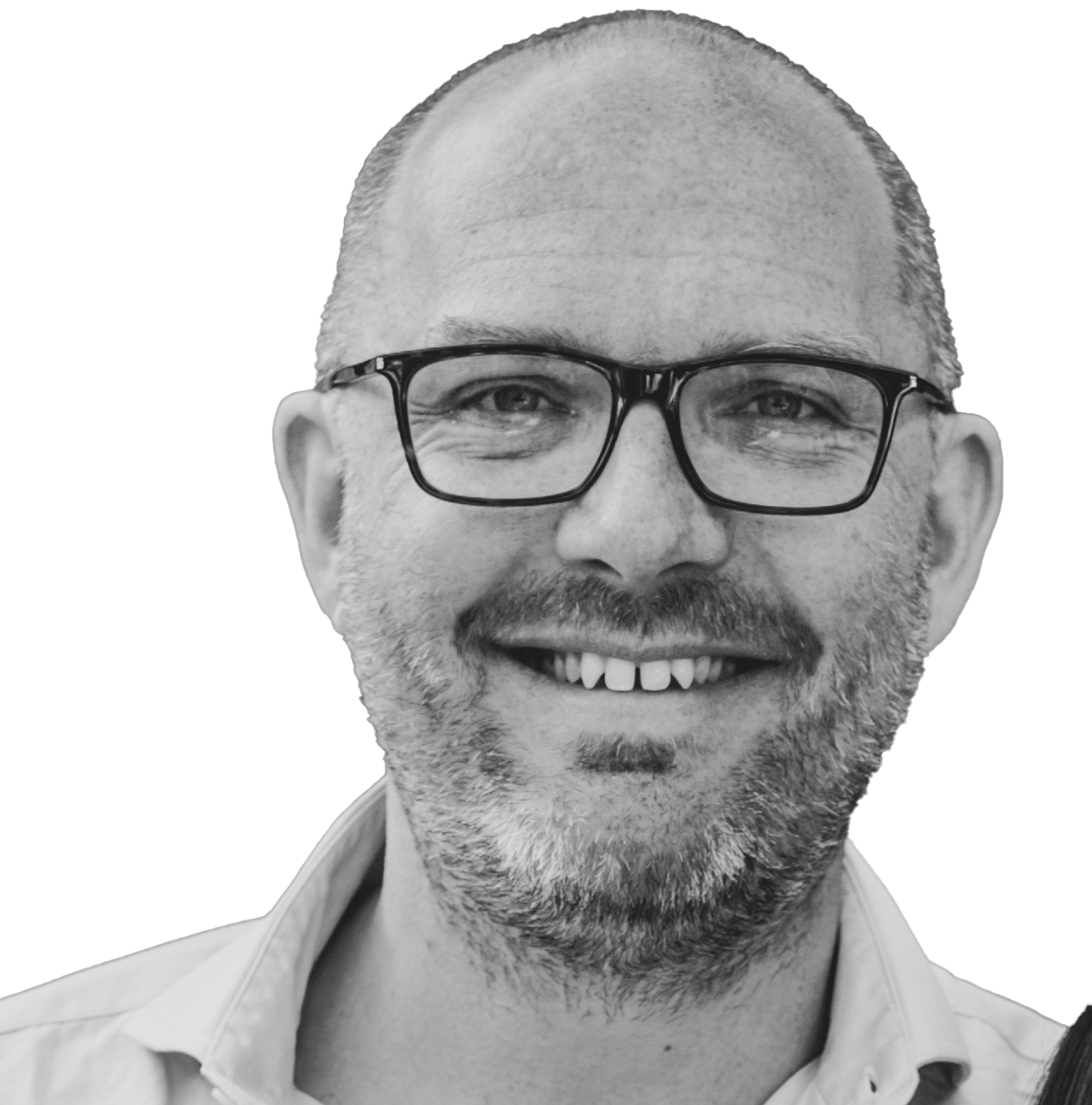
After fifteen years as a property lawyer in London, Dr. Oliver Wright returned to Oxford to study philosophical theology and to pursue ordination in the Church of England. His doctoral thesis, “The Performativity of Christian Discourse: A Theological Theory of Language as Act,” was successfully completed in April 2025 after just seven terms of study. He now also has several peer-reviewed publications, including recent essays on Giorgio Agamben, Kierkegaard, Ricoeur and Rowan Williams, lex orandi lex credendi, and a reading of Romans 14-15 inspired by Richard Hays. He was ordained deacon in the Church of England in July this year and will take up a post as Junior Research Fellow in theology and AI at Pembroke College, Oxford in October.
.png)